
Rooftop Solar with Hybrid Energies
Hybrid Solar Systems
Rooftop Solar with Hybrid Energies
This solution combines rooftop solar with hybrid energy support so the site can use renewable power more flexibly while improving continuity and operational confidence.
It is especially relevant where solar generation needs to work in coordination with multiple energy inputs, controlled usage patterns, or stronger availability expectations.
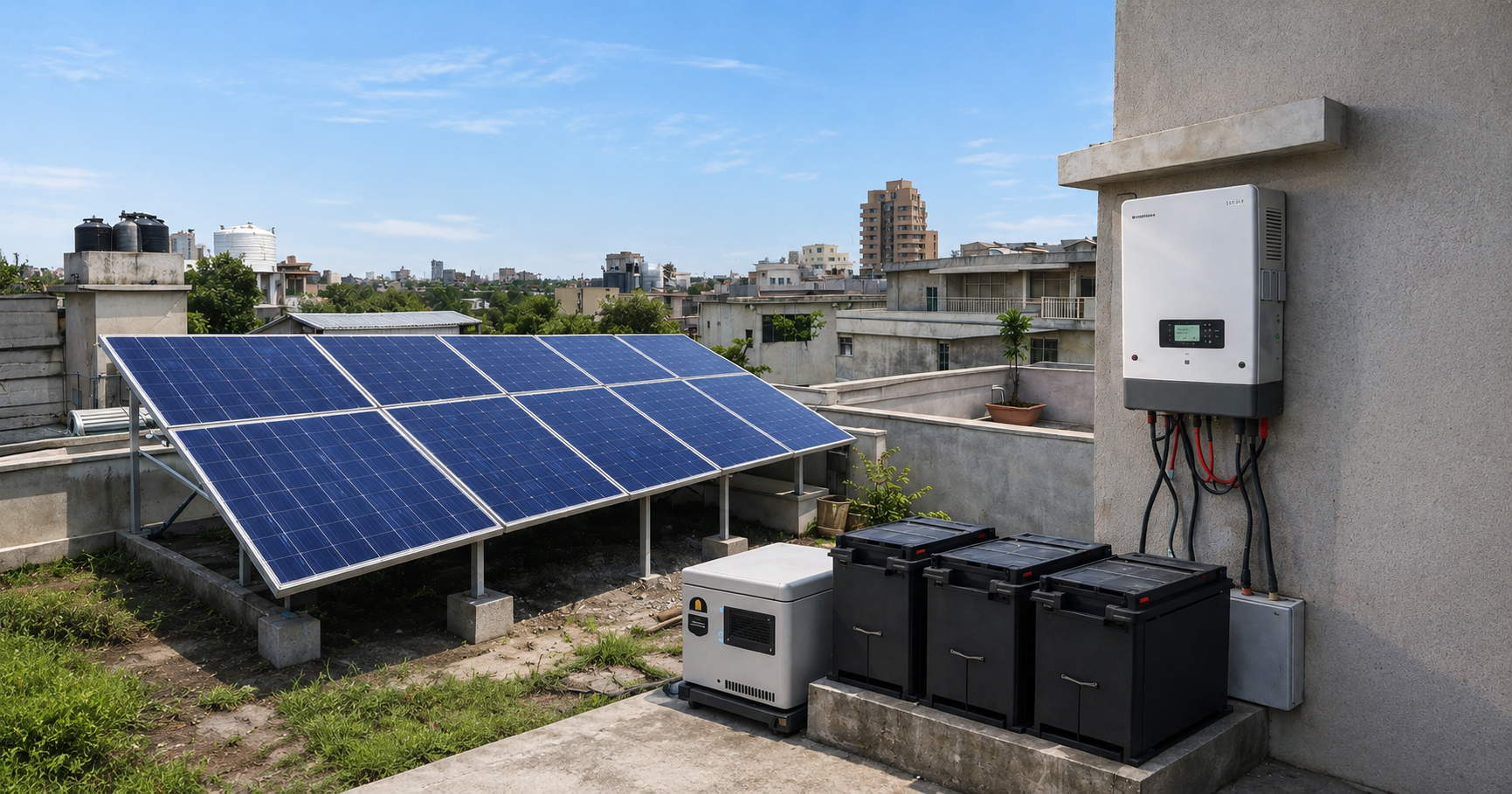
Solar energy supported by a more flexible system design
Hybrid solar changes the role of rooftop generation from simple daytime power production to a more responsive energy strategy that supports continuity, planning, and better system control.
What this system can support
- Better coordination between solar generation and hybrid support.
- Stronger support during outages or unstable supply periods.
- Improved load management across different usage times.
- More flexibility in balancing energy production and demand.
- Cleaner and more resilient energy planning.
Where it works best
- Homes that need dependable solar-backed power.
- Commercial properties with important connected loads.
- Facilities requiring greater control over how energy is managed.
- Projects that value resilience as much as savings.
This is a strong fit when the conversation goes beyond power generation and into power availability, flexibility, and continuity.
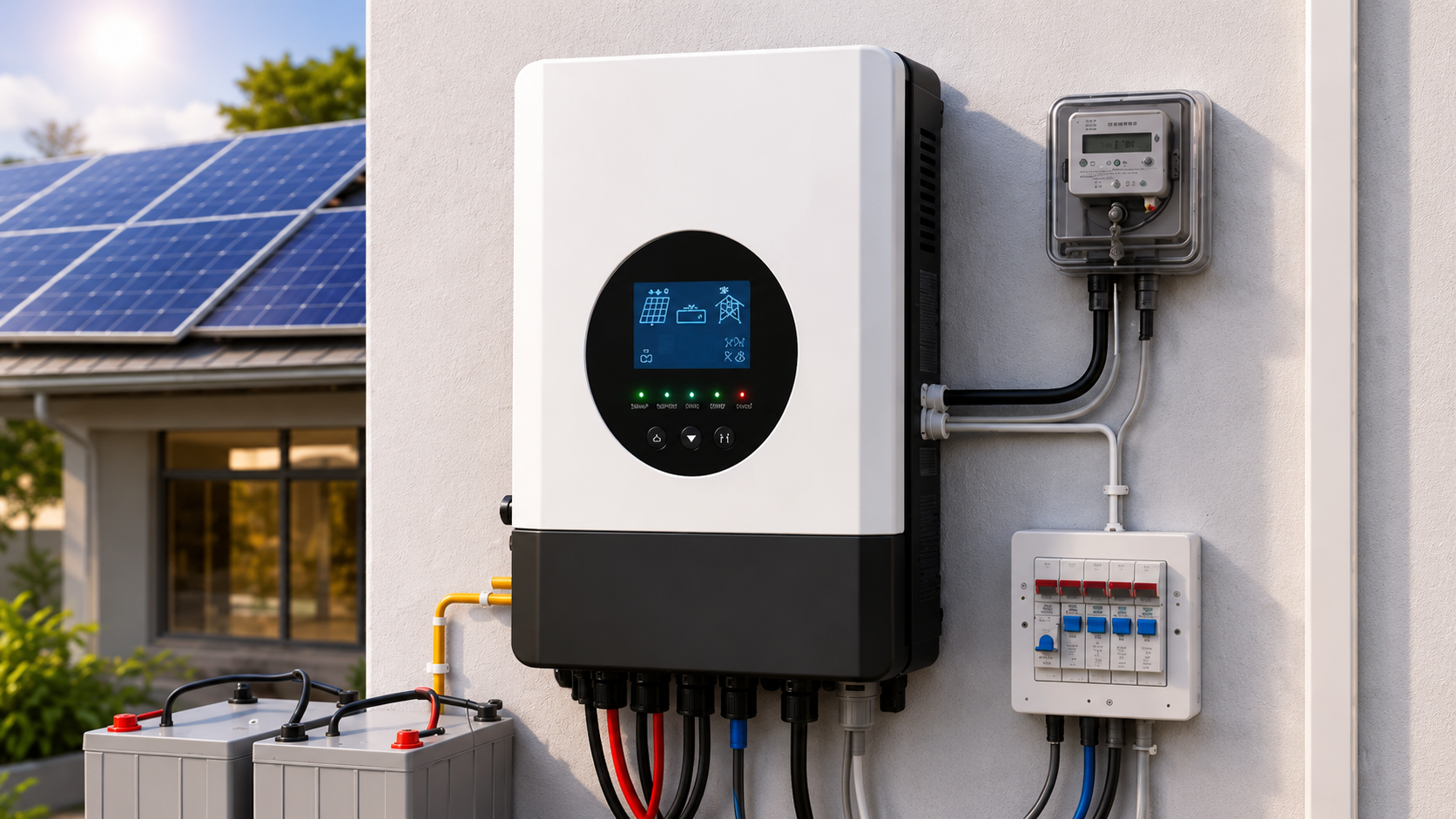
Flexible Solar Value
Use solar generation more strategically with a better-balanced system approach.
From generation to integrated energy control
Hybrid solar gives the system a new level of usefulness by helping the site handle renewable energy with more stability, flexibility, and operational clarity.
- Helps improve use of available solar generation.
- Supports more stable energy usage patterns.
- Improves planning around important connected loads.
Why hybrid solar is gaining importance
More sites are looking for energy systems that are not only efficient, but also adaptable enough to support continuity and better decision-making around power use.
Energy Flexibility
Hybrid configurations support stronger control over how renewable energy is used and balanced.
Load Management
The system can support smarter use of energy instead of relying only on direct real-time solar production.
Greater Resilience
A better fit for projects where power stability and operational confidence matter.
Adaptive Energy Planning
Solar infrastructure that supports efficiency, flexibility, and continuity.
Designed for more than immediate savings
Hybrid rooftop solar is particularly valuable when the site needs a more balanced approach to energy cost, system reliability, and ongoing performance expectations.
- Useful for operationally important sites.
- Supports better timing of energy use.
- Adds confidence to a long-term solar investment.
A stronger solar approach for continuity-focused sites
Where standard solar is mainly about generation, solar with hybrid energies adds a new layer: the ability to manage that energy more effectively for resilience and smarter operations.
- Better energy coordination.
- Improved energy flexibility.
- Better support for important loads.
- Stronger long-term system relevance.